

How to Prevent Falls and Stay Safe at Home
Updated: September 2026
Written by: Golden Living Today Editorial Team
Sources reviewed: September 2026
Falls can happen to anyone, but the risk increases with age. The good news is that falling is not an unavoidable part of getting older. Many falls can be prevented by improving home safety, staying physically active, reviewing medications, and addressing changes in balance, vision, hearing, and overall health.
🩺 Medical Disclaimer: The information provided by Golden Living Today is for educational purposes only and is not intended to replace professional medical advice, diagnosis, or treatment. Always consult your physician or another qualified healthcare provider regarding any medical condition or before making changes to your healthcare, medications, exercise routine, or treatment plan.
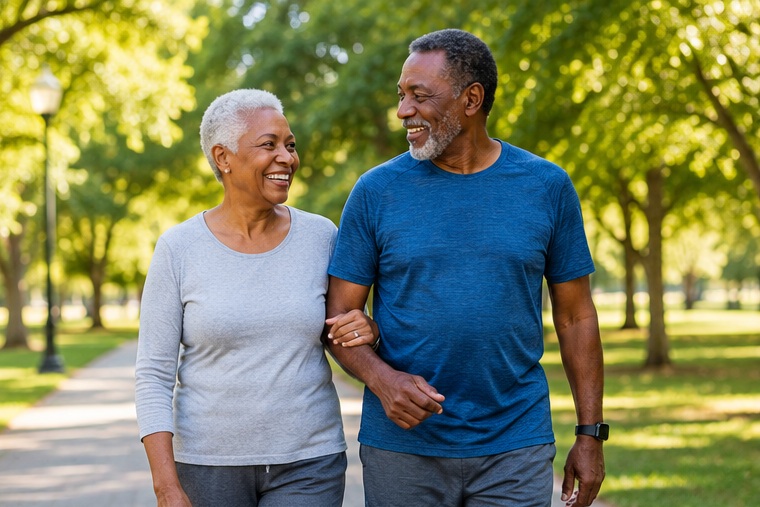

Why Fall Prevention Matters
Falls are the leading cause of injury among adults age 65 and older. More than 14 million older adults—approximately one in four—report falling each year. Falls can cause fractures, head injuries, hospitalization, and a loss of independence.
Even when a fall does not cause a serious physical injury, it can affect a person’s confidence. Someone who becomes afraid of falling may begin avoiding normal activities, walking less, or spending more time sitting. Over time, reduced activity can contribute to muscle weakness and make future falls more likely.
Falls should not simply be accepted as a normal part of aging. Understanding your individual risk factors and taking preventive steps can help you remain active, confident, and independent.

Make Your Home Safer
Many falls happen at home, where loose rugs, poor lighting, clutter, wet floors, and missing handrails can create unexpected hazards. Walk through each room and look at the home from a safety perspective.
Floors and Walkways
• Remove or securely fasten loose throw rugs.
• Keep electrical cords away from walking areas.
• Clear newspapers, shoes, pet toys, and other clutter from the floor.
• Clean spills promptly.
• Avoid using slippery floor wax.
• Arrange furniture so there is enough space to walk comfortably.
• Keep commonly used items within easy reach.
Stairs and Hallways
• Install secure handrails, preferably on both sides of the stairs.
• Repair loose or uneven steps.
• Keep stairways free of objects.
• Make sure stairways and hallways are well lit.
• Consider placing contrasting tape on the edges of steps if they are difficult to see.
Bathrooms
• Install grab bars near the toilet and inside the tub or shower.
• Use a nonslip mat or nonslip strips in the bathtub or shower.
• Consider using a shower chair or handheld showerhead when appropriate.
• Avoid relying on towel racks for support because they are not designed to hold a person’s weight.
Bedrooms
• Keep a lamp, telephone, and glasses within reach of the bed.
• Use night-lights between the bedroom and bathroom.
• Make sure the path to the bathroom is clear.
• Consider placing a sturdy chair nearby when getting dressed.
CDC and National Institute on Aging resources recommend improving lighting, installing grab bars, securing rugs, and removing home hazards as important fall-prevention measures.
Helpful Home-Safety Products
Some simple home-safety products may make everyday activities easier and help reduce common hazards. Choose products based on the individual’s needs, abilities, and home environment, and follow the manufacturer’s installation and safety instructions.
🔗 Affiliate Disclosure: As an Amazon Associate I earn from qualifying purchases. Golden Living Today may receive a small commission at no additional cost to you.
Securely Mounted Grab Bars
Moen R8716P 16-Inch Textured Grip Grab Bar: A properly installed grab bar can provide dependable support near a toilet, bathtub, or shower. The Moen R8716P is a 16-inch stainless-steel grab bar with a textured grip surface for added hand traction. It should be installed according to the manufacturer’s instructions into an appropriate wall structure.
Suction Assist Handles
TAILI 16.8-Inch Suction Shower Grab Bars: These removable handles attach to suitable smooth, nonporous surfaces without drilling and can provide a convenient handhold for light balance assistance. Their locking suction design makes them easy to install and reposition. Always check that the suction is secure before each use, and do not rely on a suction handle for full body-weight support or as a replacement for a securely mounted grab bar.
Motion-Sensor Night-Lights
GE UltraBrite Motion-Activated LED Night Lights: These plug-in night-lights automatically turn on when motion is detected in low-light conditions, making it easier to see hallways, bedrooms, bathrooms, and other commonly used areas at night. The 40-lumen warm-white light adds visibility without requiring someone to search for a light switch in the dark.
Shower Chairs
A shower chair can make bathing more manageable and provide added stability for someone who has difficulty standing for long periods or maintaining balance. Look for a sturdy chair with nonslip feet, an appropriate weight capacity, adjustable height, drainage holes, and a back or armrests if additional support is needed. Make sure the chair fits properly inside the shower or tub and follow the manufacturer’s setup instructions.
Nonslip Bath and Shower Products
Nonslip mats, adhesive strips, or safety treads can add traction to wet bathroom surfaces and may help reduce slipping. Choose a product that is designed for the specific tub, shower, or flooring surface in your home, and follow the manufacturer’s installation and cleaning instructions. Make sure mats lie flat and remain securely in place.
Reacher/Grabber Tools
A reacher tool can help pick up lightweight items from the floor or reach everyday objects on shelves without repeatedly bending, stretching, or climbing on a stool. Look for a comfortable handle, an easy-to-use trigger, and a length that works well for the person using it. Reachers are best for lightweight household items and should not be used to lift heavy or fragile objects.
Stay Active and Improve Balance
Regular physical activity can help maintain muscle strength, flexibility, coordination, and balance. Stronger legs and better balance can make it easier to recover from a stumble before it becomes a fall.
Walking is beneficial for general health and endurance, but it should ideally be combined with activities that specifically strengthen the legs and challenge balance. Depending on your abilities, these may include:
• Balance exercises
• Chair exercises
• Gentle strength training
• Tai chi
• Supervised yoga
• Water exercise
• Physical therapy exercises
Tai chi is one example recommended by the CDC because it can help improve both leg strength and balance.
Begin slowly, especially if you have not exercised recently. Use a sturdy support when necessary, and ask your healthcare provider or physical therapist which activities are appropriate for your health and mobility level.
Stop exercising and seek medical guidance if you experience chest pain, severe shortness of breath, faintness, or unusual pain.
Review Medications Regularly
Some prescription and over-the-counter medications may cause side effects that increase fall risk, including:
• Dizziness
• Drowsiness
• Blurred vision
• Confusion
• Muscle weakness
• A sudden drop in blood pressure
• Problems with coordination
Ask your doctor or pharmacist to review everything you take, including prescription medications, over-the-counter products, vitamins, sleep aids, and supplements.
Keep an updated medication list and bring it to medical appointments. Ask whether any medications interact with one another or could affect your balance or alertness.
Do not stop taking or change the dose of a medication on your own. A healthcare professional can determine whether a medication should be adjusted, replaced, or taken at a different time.
The CDC specifically recommends asking a doctor or pharmacist to review medications that may cause dizziness or sleepiness.
Wear Supportive Footwear
Shoes can make an important difference in stability and confidence.
Choose shoes that:
• Fit securely without being too tight
• Have low, stable heels
• Have nonslip soles
• Provide adequate arch and heel support
• Fasten securely with laces, straps, or hook-and-loop closures
Avoid shoes with worn or uneven soles, high heels, backless slippers, and footwear that slides off easily. Walking in socks on smooth floors may also increase the chance of slipping.
Foot pain, numbness, swelling, corns, or poorly fitting shoes can affect the way you walk. Discuss persistent foot problems with a healthcare provider or foot-care specialist.
Have Regular Vision and Hearing Checks
Vision helps you notice obstacles, judge changes in floor height, and move safely through unfamiliar areas. Even small changes in eyesight may increase the risk of falls and injuries.
Keep eyeglass prescriptions current, and allow your eyes time to adjust when moving between bright and dark areas. Be especially cautious on stairs when wearing bifocals or progressive lenses because they can sometimes affect depth perception.
Hearing also contributes to awareness of your surroundings. Hearing loss may make it more difficult to notice warning sounds or understand what is happening nearby, and changes in hearing may contribute to fall risk.
Regular vision and hearing examinations may identify changes that should be treated or accommodated.
Know When to Ask for Help
Talk with your healthcare provider if you:
• Have fallen during the past year
• Frequently stumble or nearly fall
• Feel unsteady while standing or walking
• Feel dizzy or lightheaded
• Become dizzy when standing up
• Have new weakness or numbness
• Have difficulty getting out of a chair
• Have concerns about your vision, hearing, or feet
• Avoid activities because you are afraid of falling
More than half of older adults who fall do not tell their healthcare provider, but reporting falls and near-falls can help identify treatable risk factors.
A doctor may evaluate your medications, blood pressure, vision, balance, gait, muscle strength, and medical conditions. A physical therapist can help with strength, walking, and balance, while an occupational therapist can recommend practical home-safety modifications.
What to Do After a Fall
After a fall, remain calm and take a moment to determine whether you may be injured. Do not immediately rush to stand.
Only if you do not appear to be injured and feel able to get up safely, roll onto your side and pause for a moment. Move onto your hands and knees, crawl to a sturdy chair, and use the chair for support as you rise slowly. Sit and rest once you are upright. If you cannot get up safely, call or use a medical alert device for help.
If you believe you are seriously injured, cannot move safely, or feel severe pain, call 911 or use a medical alert device. Do not attempt to stand without help if you suspect a head, neck, back, or hip injury.
Call 911 for symptoms such as:
• Loss of consciousness
• Confusion or unusual behavior
• Difficulty speaking
• Weakness or inability to move an arm or leg
• Trouble breathing
• Severe or uncontrolled bleeding
• A seizure
• A severe headache or repeated vomiting after hitting your head
If you hit your head during a fall, seek medical advice promptly even if you initially feel okay, especially if you take a blood thinner. Some head injuries may not cause obvious symptoms right away.
These symptoms may indicate a serious injury that requires immediate medical attention.
Even if you do not appear to be seriously injured, tell your healthcare provider about the fall. A fall may be related to a medication side effect, vision change, blood-pressure problem, infection, weakness, or another medical condition that should be evaluated.
Quick Fall-Prevention Checklist
Take a few minutes to review these questions:
• Are walkways and stairs free from clutter?
• Are loose rugs removed or secured?
• Are stairs and hallways well lit?
• Are there night-lights between the bedroom and bathroom?
• Are grab bars installed in the bathroom?
• Are stair handrails secure?
• Do your shoes fit properly and provide support?
• Have your medications been reviewed recently?
• Are your vision and hearing checkups up to date?
• Are you doing activities that strengthen your legs and improve balance?
• Do you have a way to call for help if you fall?
You do not have to make every improvement at once. Begin with the areas that present the greatest risk, such as bathrooms, stairs, dim hallways, and frequently used walking paths.

🌿 Golden Moment
A safer home is not about giving up your independence—it is about protecting it.
Every secured rug, brighter hallway, supportive shoe, and balance exercise is a small investment in your freedom. The changes you make today can help you continue living with confidence, comfort, and peace of mind.
Related Articles
Looking for more information about home safety, healthy aging, and independent living?
These articles may help:
• How to Age in Place Safely and Independently
Learn how home modifications, support services, and advance planning can help you remain safe, comfortable, and independent in your own home.
• Vision Changes After 50: Protecting Your Eyes and Seeing Clearly
Understand common age-related vision changes, warning signs that require medical attention, and practical ways to protect your eyesight and reduce safety risks.
• Arthritis After 50: Managing Pain and Staying Active
Explore ways to manage joint pain and stiffness through appropriate movement, medical care, and everyday habits that support mobility and independence.
• Caregiver Tips and Resources: Caring for Your Loved One While Caring for Yourself
Find practical guidance for managing caregiving responsibilities while protecting your own health, energy, and emotional well-being.
• Signs an Older Parent May Need Extra Help
Learn how to recognize changes in daily routines, mobility, memory, medications, and other areas that may indicate an older adult needs additional support.
📚 Sources & Further Reading
• Centers for Disease Control and Prevention: Older Adult Fall Prevention.
• CDC STEADI: Patient & Caregiver Resources
• National Institute on Aging: Falls and Fractures in Older Adults.
• National Institute on Aging: Six Tips to Help Prevent Falls.
• MedlinePlus: Recognizing Medical Emergencies
• Centers for Disease Control and Prevention — Older Adult Falls Data